
Savory Steak Cooking Tips: Elevate Your Culinary Skills
Cooking a perfect steak can feel like an art form, one that many aspire to master. Whether you are a novice in the kitchen or a seasoned cook, understanding the nuances of steak preparation can elevate your culinary skills to new heights. In this post, we will explore essential tips and techniques that will help you create a mouthwatering steak every time.
Understanding Steak Cuts
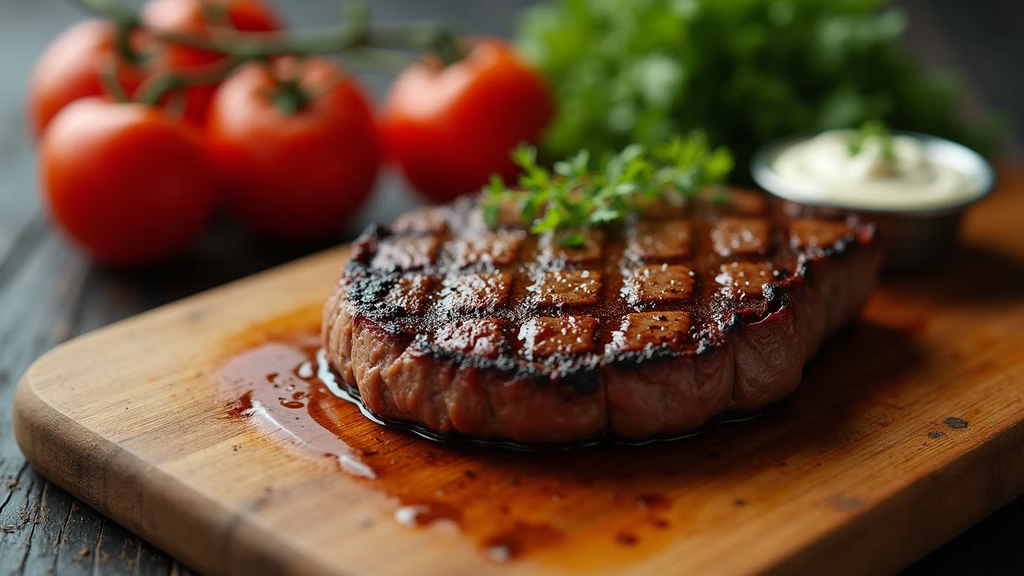
Before diving into cooking techniques, it’s crucial to understand the different cuts of steak available. Each cut has its unique flavor profile and texture, which can significantly influence your cooking method.
Popular Cuts of Steak
- Ribeye: Known for its marbling and rich flavor, ribeye is perfect for grilling or pan-searing.
- Filet Mignon: This cut is tender and lean, making it ideal for those who prefer a buttery texture.
- New York Strip: A balance of tenderness and flavor, this cut is great for grilling and broiling.
- T-Bone: Combining the best of both worlds, the T-bone features a strip steak on one side and a tenderloin on the other.
- Flank Steak: A lean cut that benefits from marinating and is best cooked quickly over high heat.
Understanding these cuts will help you choose the right steak for your cooking method and desired flavor.
Preparing Your Steak
Preparation is key to achieving a delicious steak. Here are some essential steps to follow:
1. Choosing the Right Steak
When selecting a steak, look for good marbling, which indicates fat content. This fat will render during cooking, enhancing flavor and juiciness. Additionally, consider the thickness of the steak; thicker cuts are generally more forgiving and easier to cook to the desired doneness.
2. Seasoning
Simple seasoning can make a world of difference. A generous sprinkle of salt and pepper is often all you need. For added flavor, consider using:
- Garlic powder
- Onion powder
- Smoked paprika
- Fresh herbs like rosemary or thyme
Apply the seasoning at least 30 minutes before cooking to allow it to penetrate the meat.
3. Bringing to Room Temperature
Allow your steak to come to room temperature before cooking. This step ensures even cooking and helps achieve a nice sear. Aim for about 30 minutes of resting time outside the refrigerator.
Cooking Techniques
Now that your steak is prepared, it’s time to cook! Here are some popular methods to consider:
Grilling
Grilling is a classic method that imparts a smoky flavor to your steak. Here’s how to do it right:
- Preheat your grill to high heat.
- Oil the grates to prevent sticking.
- Place the steak on the grill and avoid moving it for the first few minutes to achieve a good sear.
- Flip the steak only once for even cooking.
- Use a meat thermometer to check for doneness: 130°F for medium-rare, 140°F for medium, and 160°F for well-done.
Pan-Searing
Pan-searing is an excellent option for indoor cooking. Follow these steps:
- Heat a heavy skillet over high heat and add a tablespoon of oil with a high smoke point, like canola or avocado oil.
- Once the oil is shimmering, add the steak.
- Sear for 3-4 minutes on each side, depending on thickness.
- For added flavor, consider adding butter and aromatics like garlic and thyme during the last minute of cooking. Baste the steak with the melted butter for a rich finish.
Sous Vide
Sous vide cooking allows for precise temperature control, resulting in perfectly cooked steak. Here’s a brief overview:
- Season the steak and place it in a vacuum-sealed bag.
- Submerge the bag in a water bath set to your desired temperature (e.g., 130°F for medium-rare).
- Cook for 1-4 hours, depending on the thickness.
- Finish by searing the steak in a hot pan for a minute on each side to develop a crust.
Resting Your Steak
After cooking, it’s essential to let your steak rest for at least 5-10 minutes. This resting period allows the juices to redistribute throughout the meat, ensuring a juicy and flavorful bite. Cover the steak loosely with foil to keep it warm while resting.
Slicing and Serving
How you slice your steak can affect the overall dining experience. Always slice against the grain to ensure tenderness. Serve your steak with complementary sides such as roasted vegetables, mashed potatoes, or a fresh salad.
Pairing with Sauces
Enhance your steak with delicious sauces. Here are a few options:
- Chimichurri: A fresh herb sauce that adds brightness.
- Red wine reduction: A rich sauce that complements the steak’s flavor.
- Garlic butter: Simple yet indulgent, perfect for drizzling over the top.
Conclusion
Cooking a savory steak is an achievable skill that can transform your meals. By understanding the different cuts, preparing properly, and mastering cooking techniques, you can elevate your culinary skills and impress your guests. Remember to rest your steak and slice against the grain for the best results. Now, it’s time to fire up the grill or heat that skillet and enjoy the delicious rewards of your efforts!
With these tips in hand, you are well on your way to becoming a steak-cooking pro. Happy cooking!